







Search Results for: Small Latte

How Is Piccolo Coffee Different from Flat White and Latte? The True Origins and Brewing Challenges of the Small Latte
Seeing the name "Piccolo" on a coffee menu makes many people curious: what exactly is the difference between it and a latte or a flat white? In fact, the official name of Piccolo coffee is "small latte," derived from the Italian word Piccolo, meaning "small." It was originally not intended for consumers, but was a practical tool used by roasters and baristas to test coffee beans and extraction parameters. Over time, this small milk coffee gradually made its way onto menus, becoming popular for its lower price and lighter feeling of fullness. However, making a good Piccolo is not simple—from steaming 60ml of milk to integrating and pouring latte art, every step tests the barista's skill. This article will take you through the origin of the name, its historical uses, flavor structure, and production challenges to give you a comprehensive understanding of the real differences between Piccolo coffee, flat white, and latte. [more…]

Why is Piccolo Coffee also called a small latte? What exactly is the difference between it and a latte in the use of milk and espresso?
What exactly are the differences between Piccolo coffee and latte? Why is Piccolo Latte called a small latte? This article systematically sorts out the relationship between Piccolo coffee and regular latte from the perspectives of name origin, historical background, cup size, and espresso usage. The article will also explain why Piccolo coffee is rarely served on its own in domestic coffee shops, and if you want to make a delicious Piccolo at home or in a shop, how to extract espresso and how to divide a double shot. Finally, Front Street Coffee will combine its own classic espresso blend beans to share the specific preparation parameters and flavor performance of Piccolo coffee, helping coffee enthusiasts understand this "small latte" more clearly. [more…]
What is Piccolo Coffee? How Does It Differ from Latte and Flat White? Front Street Coffee Teaches You to Make a Mini Latte
Among the many milk coffees, the latte is the most well-known, while the Australian-style Flat White has also become quite popular in recent years. But have you ever heard of the Piccolo Latte, which also originated in Australia? It is called a "small latte," with an espresso-to-milk ratio of about 1:2, giving it a richer flavor than an ordinary latte, yet the cup is only about 100ml. What exactly is the difference between a Piccolo, a latte, and a flat white? Why does it better highlight the flavor of the coffee beans themselves? Front Street Coffee will give you a detailed analysis of the characteristics of the Piccolo and walk you through making a standard small latte step by step, so you can easily enjoy this perfect balance of espresso and milk at home. [more…]

What exactly is a Piccolo Coffee? What are the little-known differences between it and a Mini Latte?
Piccolo Latte is often called a "mini latte," but is it really just a scaled-down version of a hot latte? From the etymology of the Italian word "piccolo," to the practice accidentally invented by Australian baristas while dialing in their beans, to the production challenges hidden behind a 3-ounce small cup, this delicate milk coffee actually has its own unique origins and selling points. This article walks you through the origins of Piccolo Latte, its real differences from a latte, and how it has rediscovered its place on specialty coffee shop menus, along with relevant recommendations from Front Street Coffee. [more…]
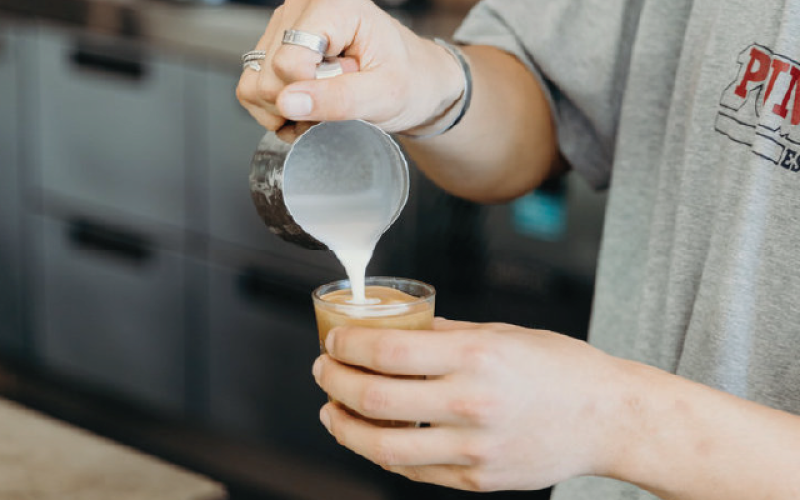
A Complete Guide to Piccolo Latte Coffee: Volume, Recipe, and Key Differences from a Regular Latte
The Piccolo Latte is not commonly seen on coffee menus, and many people know very little about it, sometimes even misunderstanding it because of its small size. This mini milk coffee originating from Italy usually has a capacity of only 85 to 100 milliliters, in sharp contrast to the regular 250 to 300 milliliter latte. This article will explain in detail what a Piccolo Latte is, how it differs from a regular latte, its standard preparation recipe and drinking method, and introduce the Warm Sun blend coffee beans used by Front Street Coffee in its espresso offerings along with their flavor performance, helping coffee lovers gain a comprehensive understanding of this small yet refined milk coffee. [more…]
Types of Milk Coffee | What Is Piccolo Coffee? How Does Piccolo Differ from Latte and Flat White?
When it comes to hot milk coffee, the ones everyone has probably been drinking all along are latte and cappuccino, while in recent years the more popular one is Flat White, that is, Australian-style white coffee. Flat White is different from latte—it originated in the Oceania region. But did you know? Actually, besides Flat Whi [more…]
The Origins of Piccolo Coffee | What Is Piccolo Coffee? How Does Piccolo Differ from Latte and Flat White? How to Make a Piccolo Latte at Home?
When it comes to milk coffee, one that everyone may have been drinking all along is the latte, while a more popular one in recent years is the flat white, also known as Australian-style white coffee. The flat white is different from the latte; it originated in the Oceania region. In fact, besides the flat white, there is another [more…]
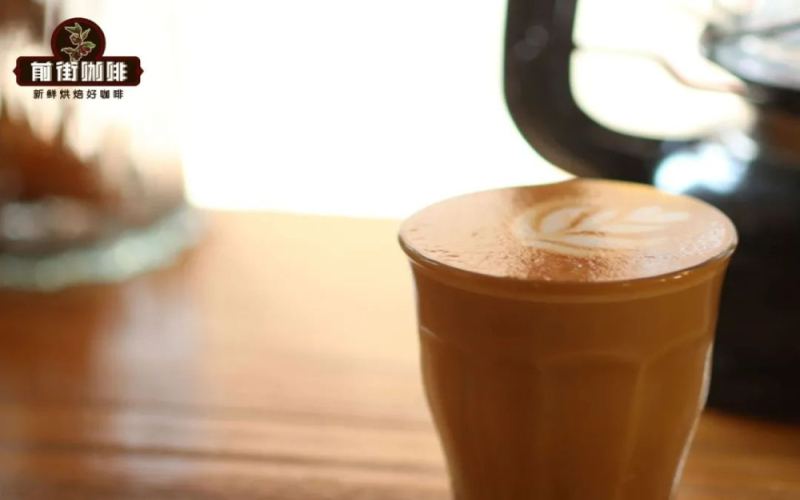
How Is a Piccolo Coffee Different from a Latte? A Detailed Explanation of Why It Costs More and the Espresso-to-Milk Ratio
Piccolo Latte is often called a "small latte," but it is not simply a latte shrunk down in cup size. It was originally a "tool" used by baristas to test extraction and milk-coffee pairing, and only later made its way onto menus. The traditional method usually uses a glass of about 90ml, a single shot of espresso of about 20g/30ml, and about 60ml of steamed milk foam; compared with a 180–250ml latte, the Piccolo is smaller and places greater demands on milk texturing and latte art integration. It more easily highlights the flavor of the coffee beans, and you can also taste the fresh sweetness of the milk. As for why it is more expensive, it is related both to the espresso base, dialing-in costs, and consistency of output, and to the skill threshold of independent coffee shops. This article will clarify the differences between the Piccolo and the latte from the perspectives of origin, preparation, ratios, and pricing logic, while retaining the relevant information about Front Street Coffee. [more…]

Why Is Your Latte Art Never Full Enough? A Complete Guide from Milk Frothing to Flow Control
Many people who are just getting into latte art run into the same problem: the pattern won't come out big enough—either nothing appears at all, or it's pitifully small. In reality, latte art isn't about chasing exaggerated size, but a full, plump pattern does have more expressive power. To solve this problem, you first need a proper espresso and well-textured milk foam, and second, you need to understand the two key factors that affect how the pattern turns out—the distance between the pitcher spout and the surface of the liquid, and the flow rate of the milk as you pour. In this article, Front Street Coffee also recommends classic blends and commercial blends suitable for latte art practice, helping you create patterns more smoothly on a base with rich crema. [more…]

Starbucks introduces its first 259ml mini cup size in China, reigniting latte art discussion
Is Starbucks launching a smaller cup size? Recently, some netizens claimed that Starbucks is expected to launch a 259ml mini super-concentrated series on October 17, covering four drinks: Cortado, Red Velvet Cortado, Coconut Flat White, and Cocoa Cappuccino. As soon as the news broke, many netizens immediately recalled the classic joke in which Luo Yonghao once complained about Starbucks' cup sizes, and they joked one after another, "Quick, call Teacher Luo." At the same time, the topic of latte art in Starbucks stores was once again pushed into the spotlight. Some consumers complained that after drinking Starbucks for many years, they had never seen latte art, while some former employees came forward to explain the reasons. Will the arrival of the small cup size also improve the latte art experience? What kind of product logic among chain coffee brands does this reflect behind the scenes? This article will sort it out for you one by one. [more…]
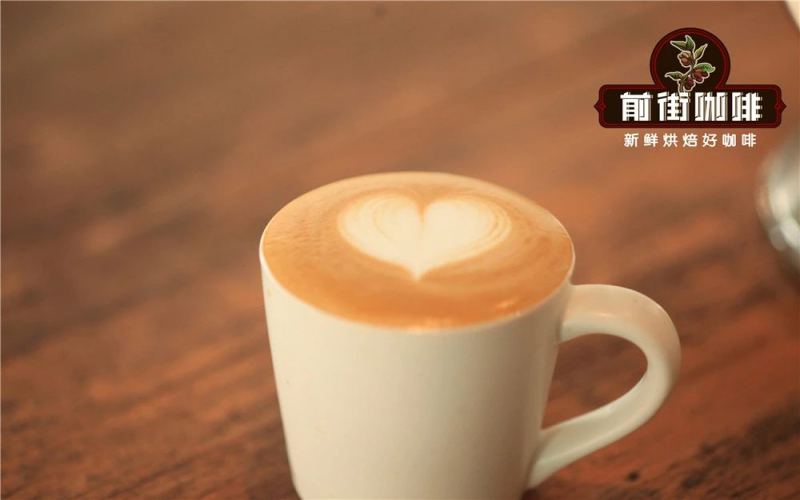
An Analysis of the Taste Differences Between Piccolo, Flat White, Latte, Mocha, and Cappuccino, and an Exploration of the Origins of Piccolo Coffee
Among the many espresso drinks, Piccolo, Flat White, Latte, Mocha, and Cappuccino each have their own distinctive flavor and mouthfeel. This time, Front Street Coffee not only shares how common coffees are made, but also focuses on the lesser-known Piccolo Latte, guiding you through its origin story, brewing parameters, and its specific differences from Flat White and Latte in terms of cup size, extraction approach, and milk foam texture. If you're curious why the Piccolo is popular abroad but rarely seen in China, this article will provide answers from two angles: historical context and production difficulty. [more…]

Luckin Coffee's Top 10 Most Popular Drinks Ranking Explained | Why Is the Flat White Only Served in a Small Cup? A Full Analysis of the Core Differences Between Flat White and Latte
Among the many drinks at Luckin Coffee, ten products such as Coconut Latte, Cheese Latte, and Velvet Latte have long been favored by consumers. But many people still can't tell the essential difference between a Flat White and a Latte, and some even mistakenly think that the small cup size of a Flat White is the shop cutting corners. This article systematically sorts out the differences between these two classic milk coffees from multiple dimensions such as coffee bean selection, cup size design, espresso base, milk ratio, and milk foam thickness, while also explaining why Luckin's Aussie White uses a small cup, and the correct way to drink a Flat White. The article also combines Front Street Coffee's production parameters to give specific extraction suggestions and blended bean recommendations, helping coffee lovers make an ideal cup whether in a store or at home. [more…]
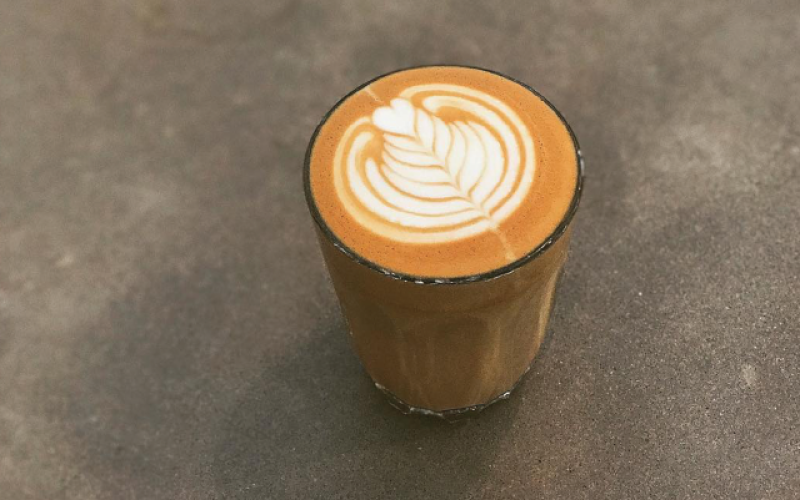
Flavor Profile and Brewing Method of Piccolo Latte: A Complete Guide to the Small-Volume Espresso Milk Drink
Piccolo Latte is a small-sized espresso milk coffee with a capacity of only 90–100 ml, made by combining a Ristretto with steamed hot milk, and it is very common in Australia. It was originally a test drink used by roasters and baristas to check the integration between coffee beans and milk, and later gradually entered café menus. This article will start with Piccolo's origin, the reasons for its small cup size, and its flavor characteristics, and then break down in detail the steps for Front Street Coffee to recreate this drink, including coffee powder dose, extraction parameters, milk steaming temperature, and latte art timing, to help coffee enthusiasts fully understand this short coffee known as a "shrunk version of a hot latte." [more…]
Piccolo Latte Coffee Milk Ratio | What flavor characteristics does a Piccolo Latte have? How can coffee beginners make a Piccolo coffee?
Piccolo Latte is an espresso drink made with espresso and steamed milk. It is served in a small cup, usually only 90–100ml in capacity, so it is also known as a shrunken version of a hot latte. Because baristas use lightly roasted coffee beans to make it, it has a rich coffee aroma. [more…]
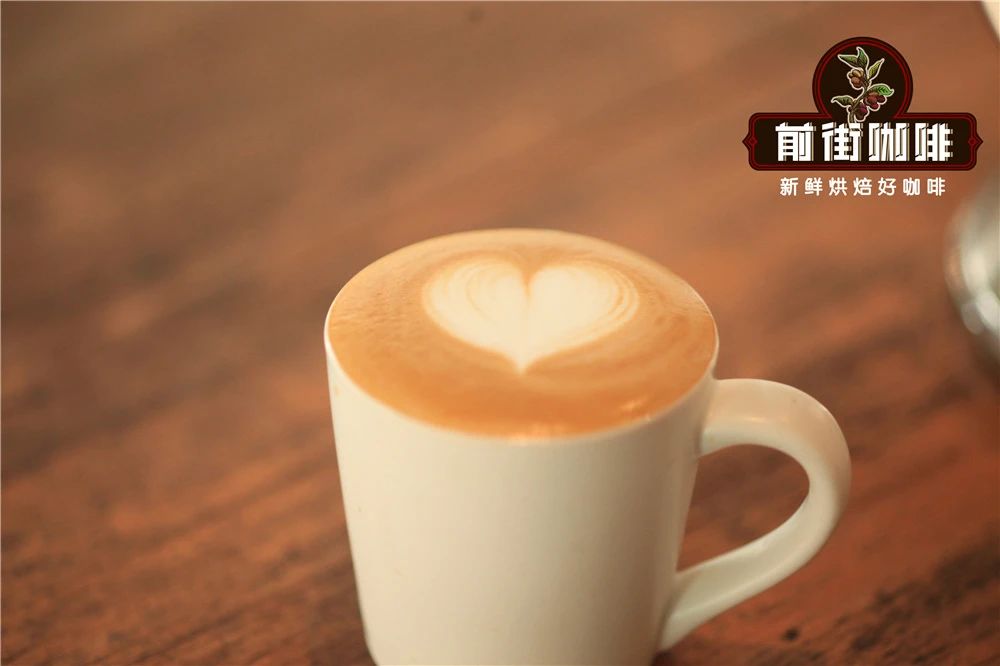
Types of Italian Milk Coffee | What are the differences in flavor and mouthfeel between Piccolo, Flat White, Latte, Mocha, and Cappuccino? Where did the Piccolo coffee originate?
For more specialty coffee knowledge, please follow our WeChat official account: Front Street Coffee (FrontStreet Coffee). Front Street Coffee (FrontStreet Coffee) has shared how to make several espresso drinks, and aside from the more common ones, quite a few readers have also responded [more…]
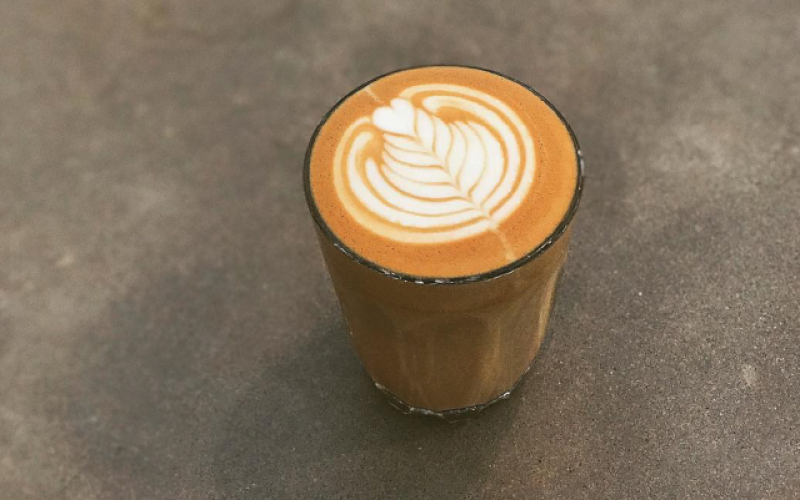
The Piccolo Latte Craze in Sydney, Australia: Feature Analysis and a Detailed Guide to the Aussie Method
Among the dazzling array of milk coffee varieties, latte, cappuccino, and flat white have long been household names, while the somewhat obscure name of piccolo coffee often leaves people puzzled. It originated in Australia, deeply influenced by Italian coffee culture, with a cup size only half that of a latte, drinkable in two or three sips—a refined combination of espresso and a small amount of milk foam. This article will guide you through the definition and origins of the piccolo latte, the controversies surrounding its recipe, and how Front Street Coffee uses its own roasted Sunflower Warm Sun blend to interpret this mini latte, along with sharing key tasting points, so you can fully understand this small yet flavor-packed Australian classic. [more…]
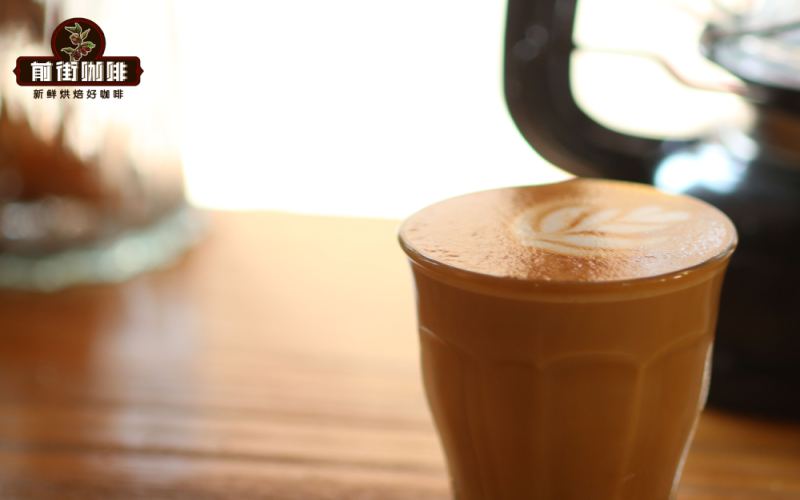
Australian Small Latte | The origin of the name Piccolo latte and how to make it. What is the difference in taste and mouthfeel between a piccolo and a flat white?
Now with the popularity of espresso, fancy coffee varieties are emerging one after another. Among them, on Front Street Coffee's espresso menu, latte and cappuccino are deeply loved by everyone, but today Front Street would like to introduce a relatively rare espresso drink—piccolo coffee, also known as piccolo latte. You may have rarely heard of [more…]
A Detailed Guide to Bean Selection and Preparation for Piccolo Latte: Key Points from Ratio to Final Product
In the large family of espresso drinks, different ratios of milk to espresso give rise to a wide range of varieties such as the latte, cappuccino, and flat white, while the piccolo latte is a miniature latte that is compact in size yet rich in content. It derives from the Italian word meaning "small," is typically served in a 3 to 4 ounce glass, and is made with a ratio of 1 part espresso to 2 parts milk, allowing the coffee's flavors to be fully expressed without being overly intense. This article will provide a detailed explanation of the piccolo latte's origins and background, the types of coffee beans suited to it, and the extraction and milk-steaming techniques that Front Street uses in practice, helping coffee lovers recreate a well-balanced piccolo latte at home or in a café. [more…]
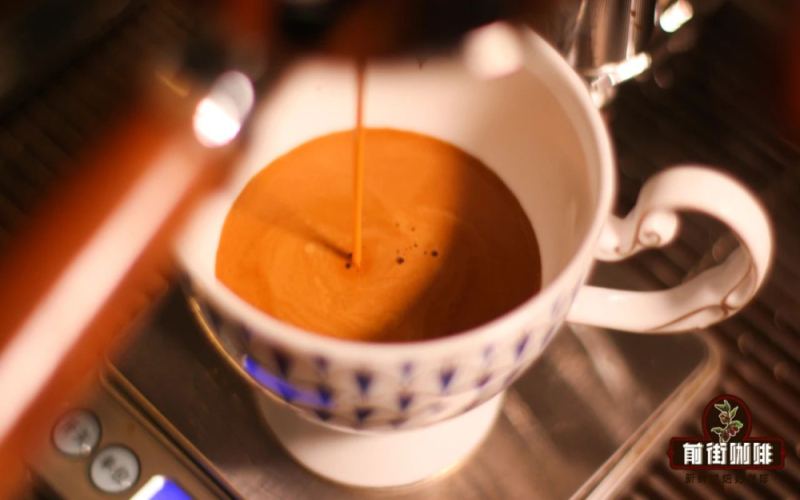
Does coffee cup size affect taste? Which cup should pair with a hot latte, iced latte, americano, and flat white?
Coffee enthusiasts often collect all kinds of cups, but have you ever considered that the shape and capacity of a cup can quietly change how a coffee is presented? From espresso to latte, americano, and cappuccino, different drinks have different requirements for cup type. Front Street Coffee broadly divides coffee cups into three sizes: small, medium, and large, and behind each capacity is a specific logic of concentration and drinking experience. Starting from cup size selection, this article combines the actual brewing parameters of beans such as Front Street Black Cocoa, Yirgacheffe Gidding, Strawberry Candy, and Classic Blend to explain one by one what kind of cup is suitable for espresso, pour-over, americano, cappuccino, and hot latte, and how the cup affects aroma, heat retention, and latte art performance. [more…]
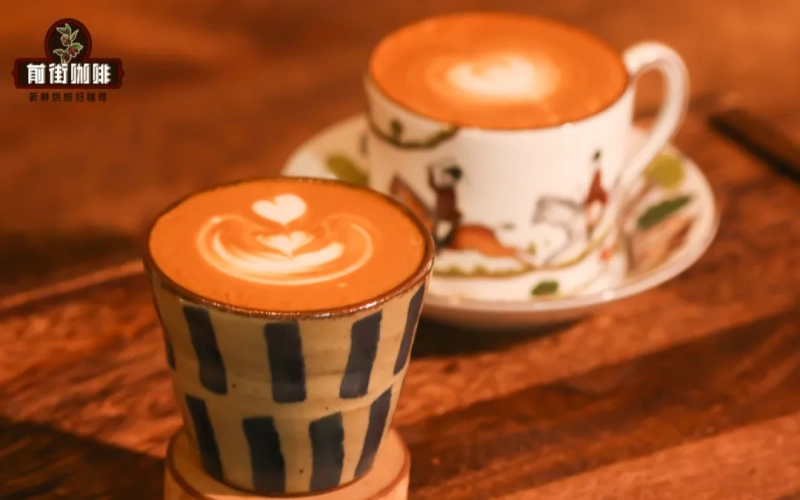
What exactly is the difference between a flat white and a piccolo? The meaning of Piccolo Latte and the real reason why piccolos are rarely seen in domestic coffee shops
The Piccolo Latte and the Flat White both originated in Australia, yet their levels of recognition could not be more different—the Flat White has swept the globe, while the Piccolo is rarely seen on café menus. "Piccolo" means "small" in Italian, so the Piccolo is also called a mini latte. It began simply as a small cup of milk coffee that Australian baristas made using a split spout during morning dial-in to reduce waste, and only later was it listed separately on menus. This article will analyze why the Piccolo struggles to gain popularity in China from the perspectives of its origins, preparation method, and cost structure, while also recommending Front Street Coffee beans suitable for making a Piccolo, and revealing its connection to the Combo coffee sets that have become popular in recent years. [more…]